

Field Data Collection and Analysis for Construction
The construction industry thrives on informed decision-making. However, traditional methods of data collection often rely on manual processes, leading to incomplete or inaccurate data. Field data collection and analysis emerges as a critical practice, leveraging technology to capture real-time data from construction sites and transform it into actionable insights. This empowers construction companies to achieve:
➡️Improved Project Visibility and Control
➡️Data-Driven Decision Making
➡️Enhanced Efficiency and Productivity
➡️Reduced Costs and Improved Profitability
➡️Proactive Risk Management
Beyond Pen and Paper: The Limitations of Traditional Data Collection
Common data collection methods in building and construction are usually centered around:
Paper-Based Forms
Limited Data Points
Delays in Data Availability
Disconnected Data Silos
These inadequacies can lead to:
Lack of Visibility
If you don’t have access to real-time data about your projects then visibility becomes poor and control weakens thus making it hard for one to see problems before they escalate.
Decision Making In Response To Situations That Have Already Happened
Using old-fashioned or incomplete records may result in decisions being made after the fact which prevents optimization of projects.
Inefficiencies And Delays
Without knowing how resources are allocated or where work stands idle efficiency will drop leading to project extensions.
Increased Costs
A significant budget overrun could be caused by rework due to errors or delays arising from wrong information.
Building with Intelligence: Mobile Apps and Data Analytics
Field data collection and analysis leverage technology to capture and analyze construction site data:
Mobile Data Collection Apps
Empower field crews to capture data electronically on mobile devices, eliminating paper forms and ensuring accurate data entry.

Real-Time Data Capture
Data is captured and transmitted electronically, providing immediate insights into project progress, resource utilization, and potential issues.
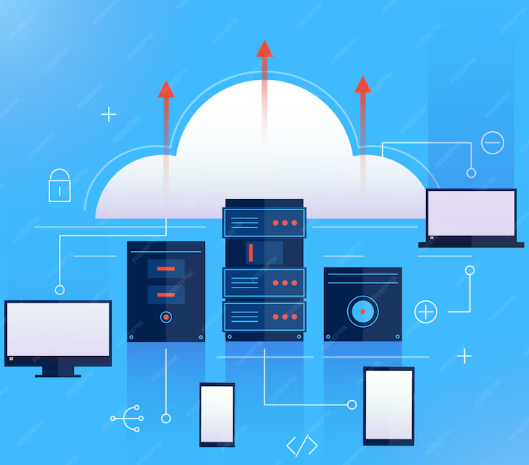
Integrated Analytics Platforms
Construction management software integrates with data collection apps, centralizing data for comprehensive analysis.
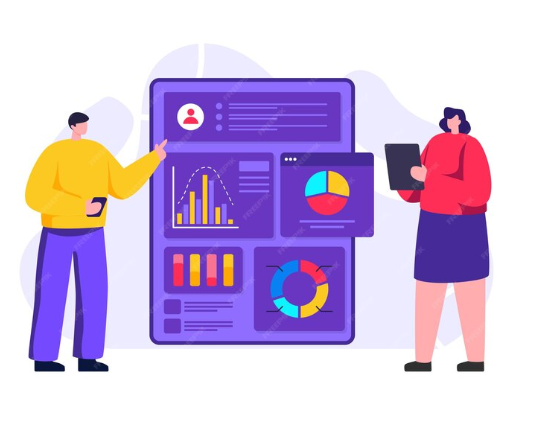
Data Visualization Tools
Use dashboards and reports with visual representations of data to gain insights into trends, identify patterns, and make data-driven decisions.

Building with Confidence: Data-Driven Construction Management
By leveraging real-time field data and leveraging data analytics, construction companies can:
Gain Real-Time Visibility
Monitor project progress, resource allocation, and potential risks in real-time, enabling proactive course correction.
Optimize Project Planning and Scheduling
Data-driven insights inform project planning and scheduling decisions, improving efficiency and reducing delays.
Identify and Mitigate Risks
Early detection of potential risks through data analysis allows for timely mitigation strategies to minimize impact.
Improve Labor Productivity
Analyze labor data to identify areas for improvement and optimize crew allocation.
Track Project Performance
Monitor key performance indicators (KPIs) to measure project progress against baselines and identify areas for improvement.
Building for Success: Why Invest in Field Data Collection and Analysis?
Here’s why field data collection and analysis is a powerful tool for construction companies:
Data-driven insights empower informed decision-making at all levels of the project, leading to better project outcomes.
Real-time data sharing fosters transparency and collaboration between project stakeholders, leading to a more unified approach.
Data analysis helps identify inefficiencies and optimize workflows, leading to improved project efficiency and productivity.
Proactive risk management, optimized resource allocation, and minimized rework due to accurate data can significantly reduce project costs.
Data-driven construction companies gain a competitive advantage by leveraging insights to improve project delivery and client satisfaction.
By embracing field data collection and analysis, construction companies can build not just structures, but a foundation of data-driven decision-making and continuous improvement for a successful future.