

How Blockchain Technology Is Used in Accounting ?

The accounting industry is built on trust, transparency and secure management of financial information. However, conventional accounting practices have their own weaknesses in terms of errors, frauds or reconciliation problems. In view of this fact alone, I would like to suggest that blockchain technology could be a great solution for the accounting industry because it ensures data security and immutability in a way that has never been done before.
Presented by leading cloud solutions provider Chronaiv5 as an optimized content about transformative potentials brought by blockchain to accounting firms and businesses; In this write-up we will discuss key concepts surrounding blockchain, its specific applications within the field of accounting as well as how you can harness this innovative technology through our cloud-based platform.
Decoding The Block Chain: Shared Ledger Revolution
Although mainly used for digital currencies like Bitcoin, blockchains function beyond them too. A block chain is basically a distributed ledger technology (DLT). Imagine having many copies of books containing records which are not kept at one place but rather replicated on numerous computers throughout the network such that every transaction made gets recorded onto these ‘blocks’ following chronological order thereby creating an unchangeable history trail .
Here are some important things about blockchain that could interest accountants
➡️ Immutable: Once any activity has been logged into blockchains system it cannot be changed or deleted hence ensuring data authenticity plus integrity;
➡️ Transparency : All authorized participants can see ledgers thereby enhancing trust during financial processes;
➡️ Decentralization : There is no single central authority controlling blockchains so chances of manipulation/fraud become minimal;
➡️ Security : By using cryptographic hashing along with consensus mechanisms; networks based on blocks are protected from cyber-attacks thus making them highly secure.
Blockchain in Action: Changing How CPAs Work
There are countless ways through which blockchain can change various aspects concerning accounts profession including but not limited to:
Automatic Audit Trails
With blockchains, secure and auditable trails for all financial transactions could be created automatically. This simplifies auditing exercise while reducing risks related to errors or manipulations;
Better Reconciliation
Sometimes it takes too much time to reconcile financial records among different entities which may also lead into mistakes being done during this process. What happens here is that; by having one shared source of truth about all financial data, blockchains can make reconciliations easier and error-free.
Stronger Security & Fraud Prevention
Blockchain’s immutability plus transparency makes it very hard for anyone to commit frauds through altering transaction details. In other words once information has been entered onto the chain, no alterations can be made thus ensuring safety against fraudulent activities;
Supply Chain Management
Financial transactions relating to procurement as well inventory management within supply chains could be more accountable if their movements were tracked using blocks thereby bringing about greater visibility into them;
Fast Secure Cross-Border Payments
Intermediaries slow down settlement processes during cross-border payments however with blockchains involved settlements would become faster and more secure because intermediaries are not required anymore.
The Cloud Advantage: Bringing BlockChain To Cloud-Based Accounting
Cloud infrastructure offers an ideal environment for integrating blockchain technology into accounting systems due its inherent attributes such as:
Scalability & Accessibility
Being scalable enough to handle large amounts of financial data stored in blocks this makes cloud platforms suitable even small size accounting firms;
Security & Reliability
Cloud providers have strict measures when it comes protecting client information not forgetting about redundancy backups so as ensure integrity and safety of any financial data stored on chains
Cost Savings in Infrastructure
Blockchain applications are no longer required to be installed and maintained on expensive on-site infrastructure.
Current Systems Integration
Financial systems and accounting software can be easily integrated with cloud-based blockchain solutions; this will help avoid disruptions in business processes.
Chronaiv5: The Gateway to Blockchain Accounting
Chronaiv5 is dedicated to delivering ground-breaking approaches that enable accountants to make use of the potential offered by blockchain. Here’s what we do:
Solutions for Cloud-Based Blockchains
We provide access to secure, scalable platforms built on the cloud which are tailor-made for the accounting industry.
Combining with Popular Blockchain Technologies
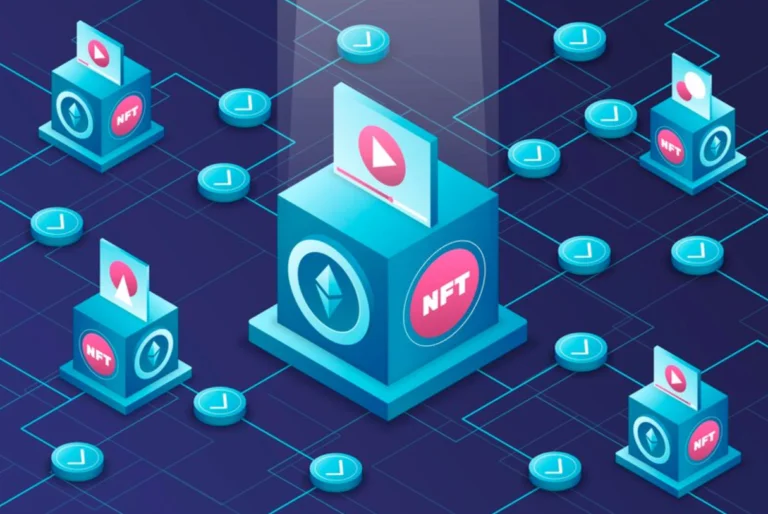
You can open up more functions by integrating our accounting software with different blockchain platforms of your choice
Training and Support from Professionals
Our team of experts offer continuous training as well as support during implementation so that you can understand how best to utilize this technology within your accounting practice.

The Future of Accounting Secured by Blockchain
By adopting cloud-based systems that use blockchains, companies in the finance sector stand a chance of ushering themselves into an era characterized by;
Increased Security Measures and Trustworthiness
Forging strong foundations through which secure financial data management can be achieved thereby promoting trust between stakeholders including clients.
Faster Processes and Less Errors
Significant efficiency improvements come about when accountants automate tasks such as reconciling figures because there is less room for mistakes when inputting numbers manually or copying them incorrectly from one document onto another.
More Insight Into Data-Driven Decision Making
When different organizations share their financial details securely thanks to distributed ledgers like Ethereum (ETH) or Hyperledger Fabric) , it becomes possible for investors and businesses alike to base decisions off facts rather than gut feelings..